After nearly 800 years of silence, a small shield volcano on Iceland's Reykjanes Peninsula roared back to life in 2021, captivating the entire world. Fagradalsfjall has since become one of the most extraordinary volcanic spectacles on Earth, offering visitors a front-row seat to the planet's raw creative power.
Fagradalsfjall is a tuya and shield volcano system located on the Reykjanes Peninsula in southwestern Iceland, roughly 40 kilometres from Reykjavík. Its geological roots trace back thousands of years, forged by the constant tectonic drama of the Mid-Atlantic Ridge, where the Eurasian and North American tectonic plates pull apart at a rate of about 2.5 centimetres per year. This relentless spreading creates a hotbed of volcanic and seismic activity across the entire peninsula. The mountain itself — whose name translates poetically from Icelandic as 'beautiful valley mountain' — sits within the Krýsuvík-Trölladyngja volcanic system, one of several active volcanic systems that define this geologically restless corner of Iceland.
The Reykjanes Peninsula has experienced repeated episodes of intense volcanic activity throughout its history, typically occurring in bursts lasting decades before long periods of dormancy. Geological records and lava flow dating indicate that Fagradalsfjall and its surrounding landscape were heavily shaped by eruptions during the Medieval Warm Period, roughly between 900 and 1240 AD. After that era of activity, the region settled into an extraordinary quiet that would last approximately 781 years. The ancient lava fields surrounding the volcano — known locally as hraun — preserve a remarkable record of these prehistoric eruptions, with moss-covered formations stretching across the peninsula like a frozen ocean, hinting at the immense forces that built this landscape layer by layer over millennia.
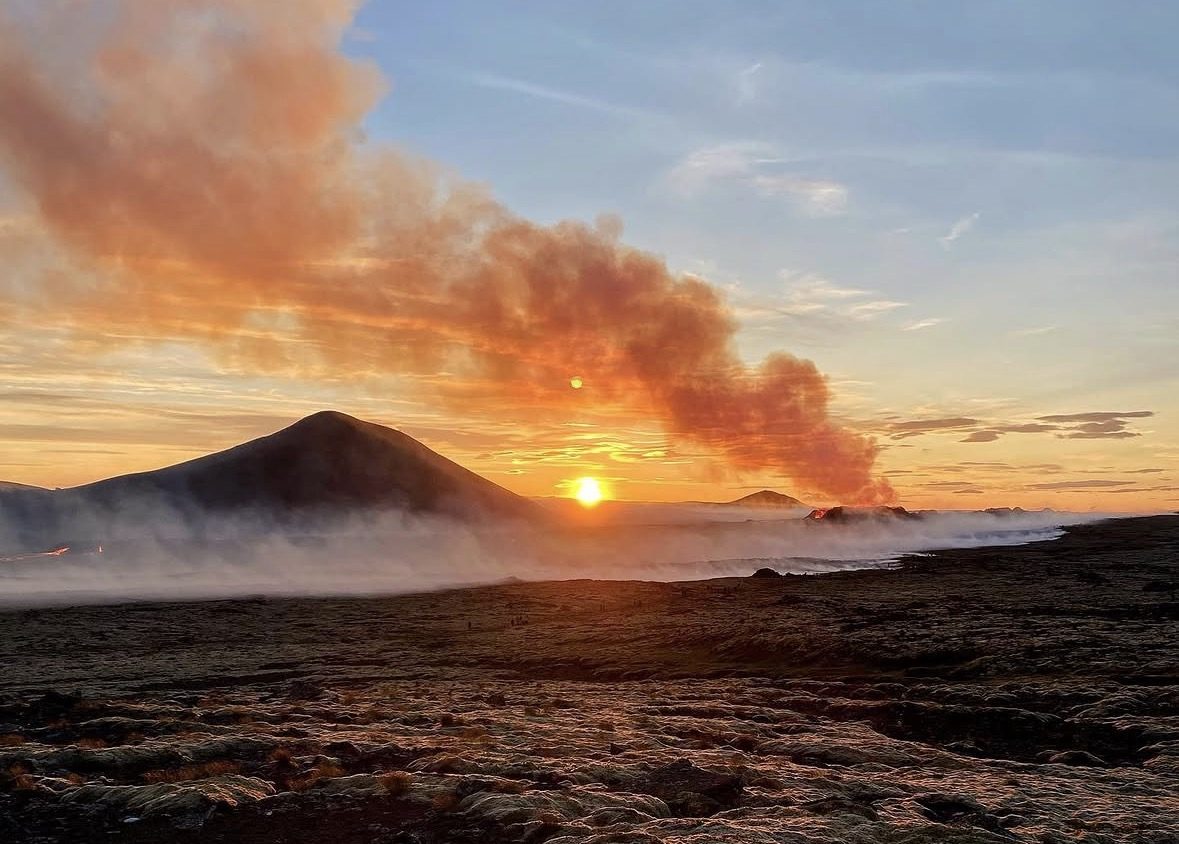
When Fagradalsfjall erupted on March 19, 2021, it did not just make geological history — it created a genuine cultural phenomenon. The eruption began in Geldingadalir valley after weeks of intense earthquake swarms that had rattled the peninsula and put the entire nation on high alert. Icelandic authorities, scientists, and ordinary citizens watched livestreams breathlessly as the first lava fountains broke through the earth. Within days, thousands of Icelanders hiked out to witness the spectacle firsthand, creating an unprecedented national moment of shared wonder. The eruption was notably effusive rather than explosive, producing rivers of glowing basaltic lava that flowed slowly and allowed safe viewing from relatively close distances, something extremely rare in the world of active volcanism.
The international media response to Fagradalsfjall was immediate and overwhelming. News outlets from every continent broadcast footage of the glowing lava rivers cutting through the dark Icelandic landscape, often set against the surreal backdrop of the northern lights or midnight sun. Volcanologists from around the globe converged on the site, describing it as a once-in-a-generation scientific opportunity. The Icelandic Meteorological Office and the University of Iceland set up extensive monitoring networks, gathering data on lava effusion rates, gas emissions, and ground deformation. For scientists, Fagradalsfjall offered an unparalleled natural laboratory — a pristine, newly active system with no prior modern eruption history from which to build comparison datasets.
Fagradalsfjall also holds deep resonance within Icelandic cultural identity, a nation that has always lived in intimate relationship with its volcanic landscape. Iceland's settlement sagas reference the fiery nature of the Reykjanes Peninsula, and local folklore attributes spiritual significance to the land's volatility. The 2021 eruption reinvigorated public interest in Iceland's geological heritage, prompting educational initiatives, documentary films, and art installations inspired by the lava flows. Composers wrote music in response to the eruption, photographers built entire careers on its imagery, and the site became a pilgrimage destination for people seeking something primal and authentic in an increasingly curated world. Fagradalsfjall reminded humanity that the Earth is still very much alive.
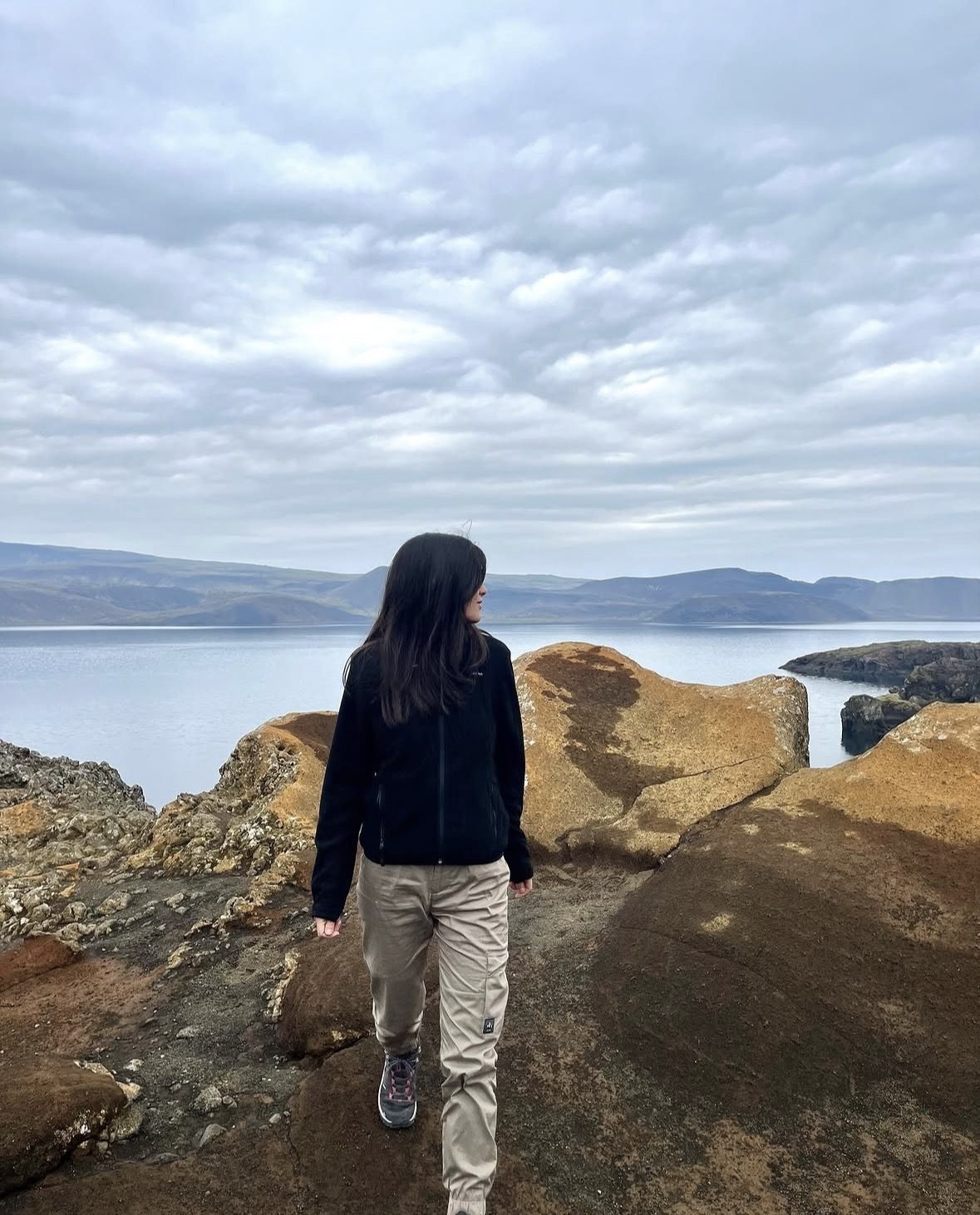
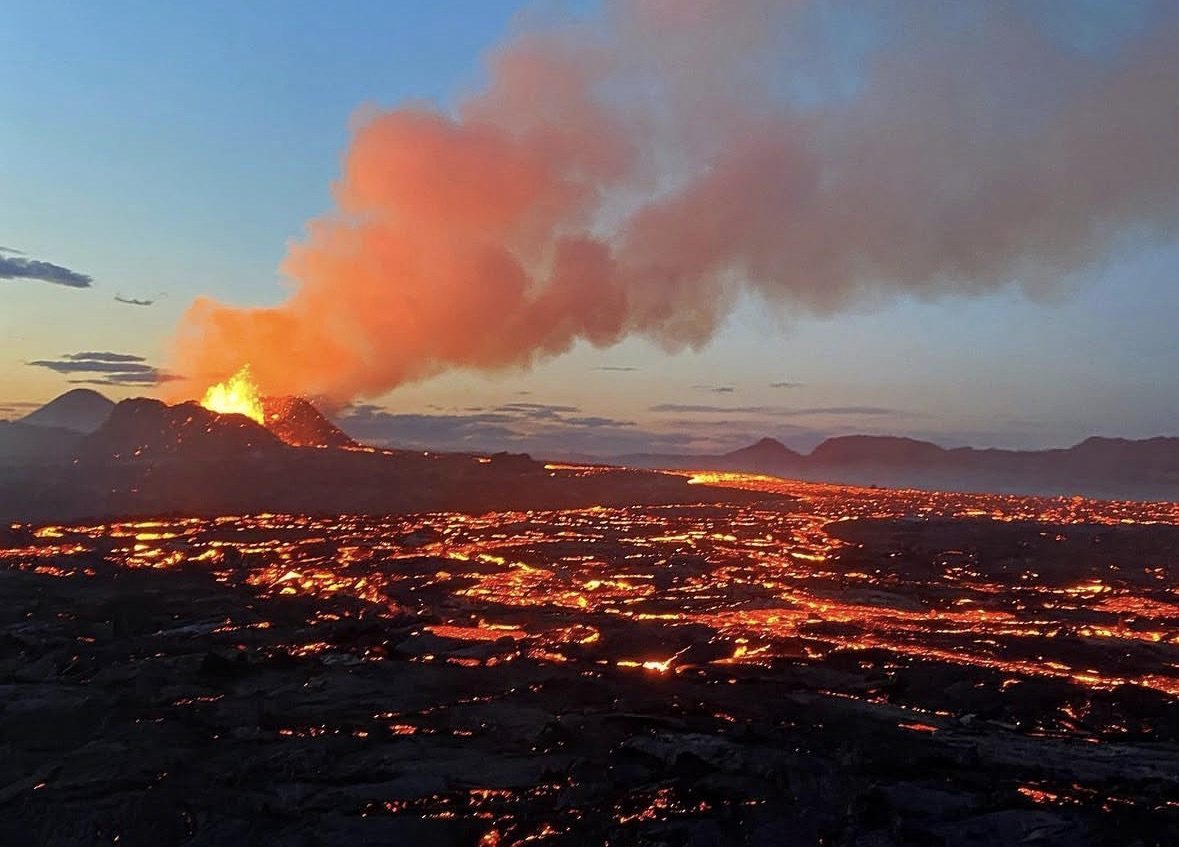
The 2021 eruption transformed Fagradalsfjall from an obscure geological feature into one of Iceland's most visited natural attractions virtually overnight. Despite the ongoing pandemic restricting international travel, tens of thousands of visitors made the 90-minute hike from the nearest parking area at Suðurstrandarvegur road to stand at the edge of the lava field. Icelandic search and rescue teams, known as Björgunarsveitin, worked tirelessly to keep hikers safe as new fissures opened unpredictably. The trail system was repeatedly rerouted as lava flows expanded the volcanic field. Iceland's tourism board recognised the eruption as a landmark moment, carefully balancing the extraordinary opportunity for visitor engagement against the very real safety requirements of an active volcanic zone.
Fagradalsfjall erupted again in August 2022, this time in Meradalir valley, and once more in July 2023 on the Litli-Hrútur hillside — each new episode drawing fresh waves of scientific attention and public fascination. The 2022 eruption lasted approximately three weeks, while the 2023 event produced particularly vigorous lava fountaining. Between eruptions, the hardened lava fields attracted hikers and geology enthusiasts who could walk across the cooling volcanic terrain and observe the dramatic landscape transformation in real time. Tour operators in Reykjavík rapidly developed guided excursions to the site, offering expert geological interpretation, safety equipment, and transport from the capital, making the volcano accessible even to visitors without wilderness experience.
Volcanologists monitoring the Reykjanes Peninsula have noted that the region appears to have entered a new era of sustained volcanic activity after its long dormancy, potentially comparable to the medieval eruptive periods documented in geological records. In November 2023, a significant new eruption occurred near Grindavík town — distinct from Fagradalsfjall but within the same broader volcanic system — underlining just how dynamic this entire peninsula has become. Scientists from institutions including the Nordic Volcanological Center and the British Geological Survey continue to collaborate on monitoring efforts. The data gathered since 2021 is reshaping scientific understanding of how shield volcanoes reactivate after centuries of quiet and what patterns of activity might follow in coming decades.
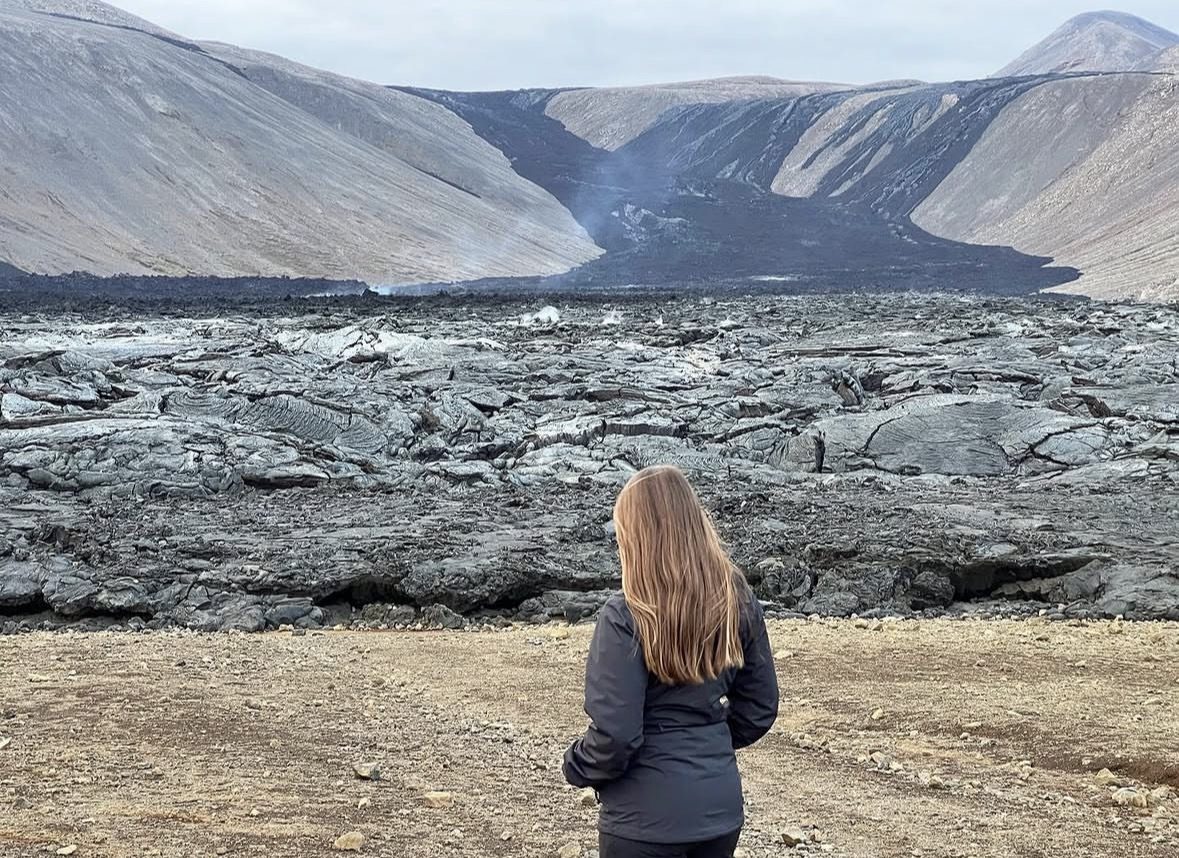
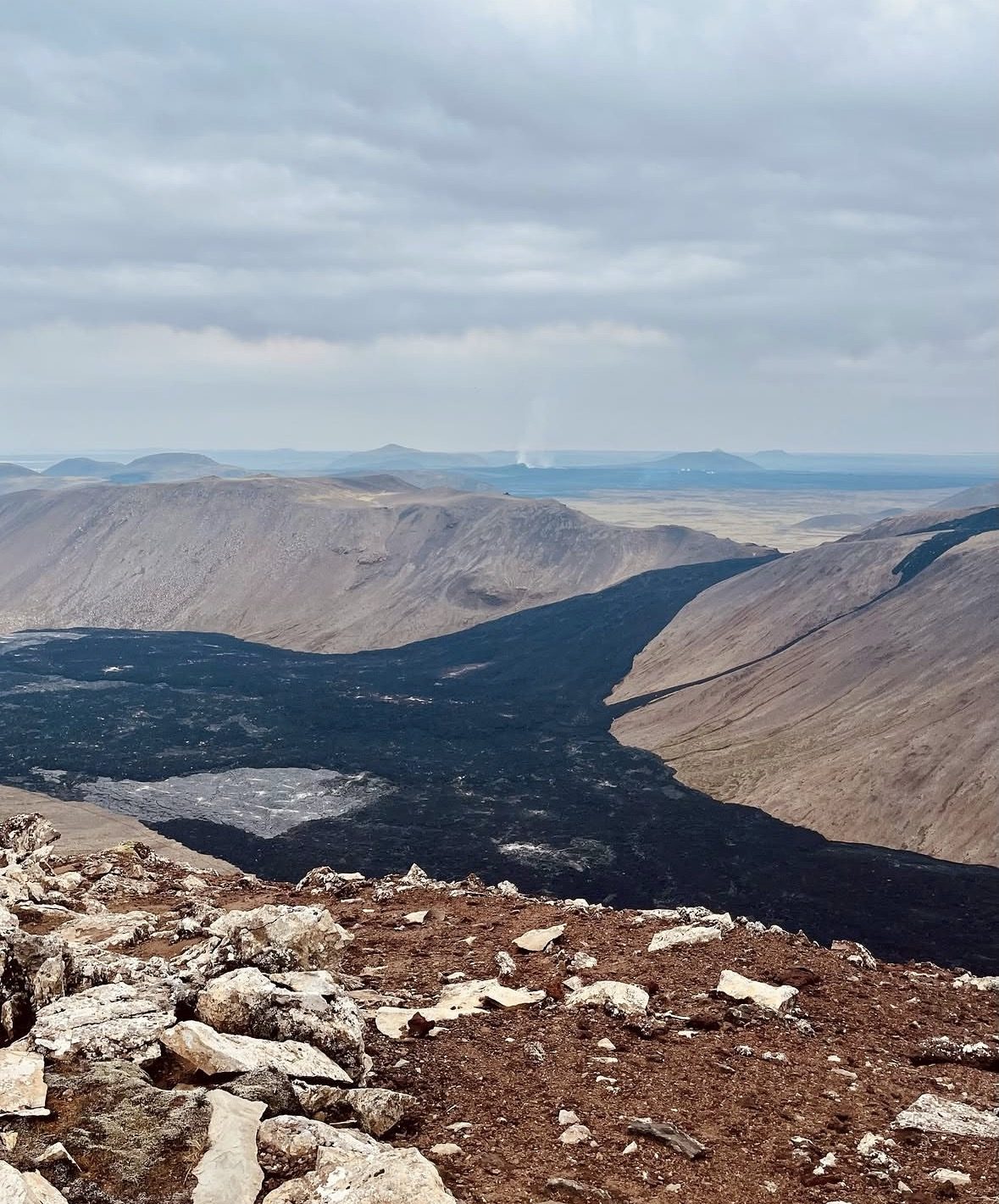
Today, Fagradalsfjall and its surrounding lava fields represent one of the most dynamic and accessible volcanic landscapes anywhere on Earth. Even during periods of quiescence between eruptions, the site rewards visitors with a landscape unlike anywhere else — vast fields of ropy pahoehoe and jagged aa lava in shades of black, rust, and silver, punctuated by steaming vents and the eerie silence of newly formed rock. Marked hiking trails wind through the lava fields from the parking areas near Grindavík and Vogar, with the main route to the Geldingadalir crater area covering approximately 3 to 4 kilometres each way. Interpretive signage and ranger information points help visitors understand the geology unfolding beneath their feet.
Visiting Fagradalsfjall is an experience that transcends ordinary sightseeing — it is an encounter with the fundamental forces that built this planet. Whether you arrive to find steaming lava fields or an active eruption painting the sky orange, the sense of standing at the edge of creation is profound and unforgettable. Guided tours departing from Reykjavík offer the safest and most informative way to experience the volcano, pairing expert local knowledge with transport, safety equipment, and the context needed to fully appreciate what you are witnessing. There has never been a better time to walk the newest land on Earth and feel the ground still warm beneath your boots — book your Fagradalsfjall adventure today.
Ready to Experience It Yourself?
Fagradalsfjall offers one of the most extraordinary natural experiences available to any traveller on Earth — a chance to witness geological creation in real time. Our expert-guided tours from Reykjavík give you safe, informed access to this breathtaking landscape with everything you need for an unforgettable adventure. Book your place today and walk across the newest land on the planet.
Book Your Tour Now